
Knowledge · Acrylic & Plastics
Resharpening single crystal diamond tools: when, how often, and what it costs
A single crystal diamond tool is not thrown away when it goes dull. The worn edge is relapped, polished back to its original shape, and the tool cuts like new again, for a fraction of the price of a new one. This guide explains how to tell that a tool needs it, what happens during resharpening, how many times it can be done, and how to make each edge last longer.
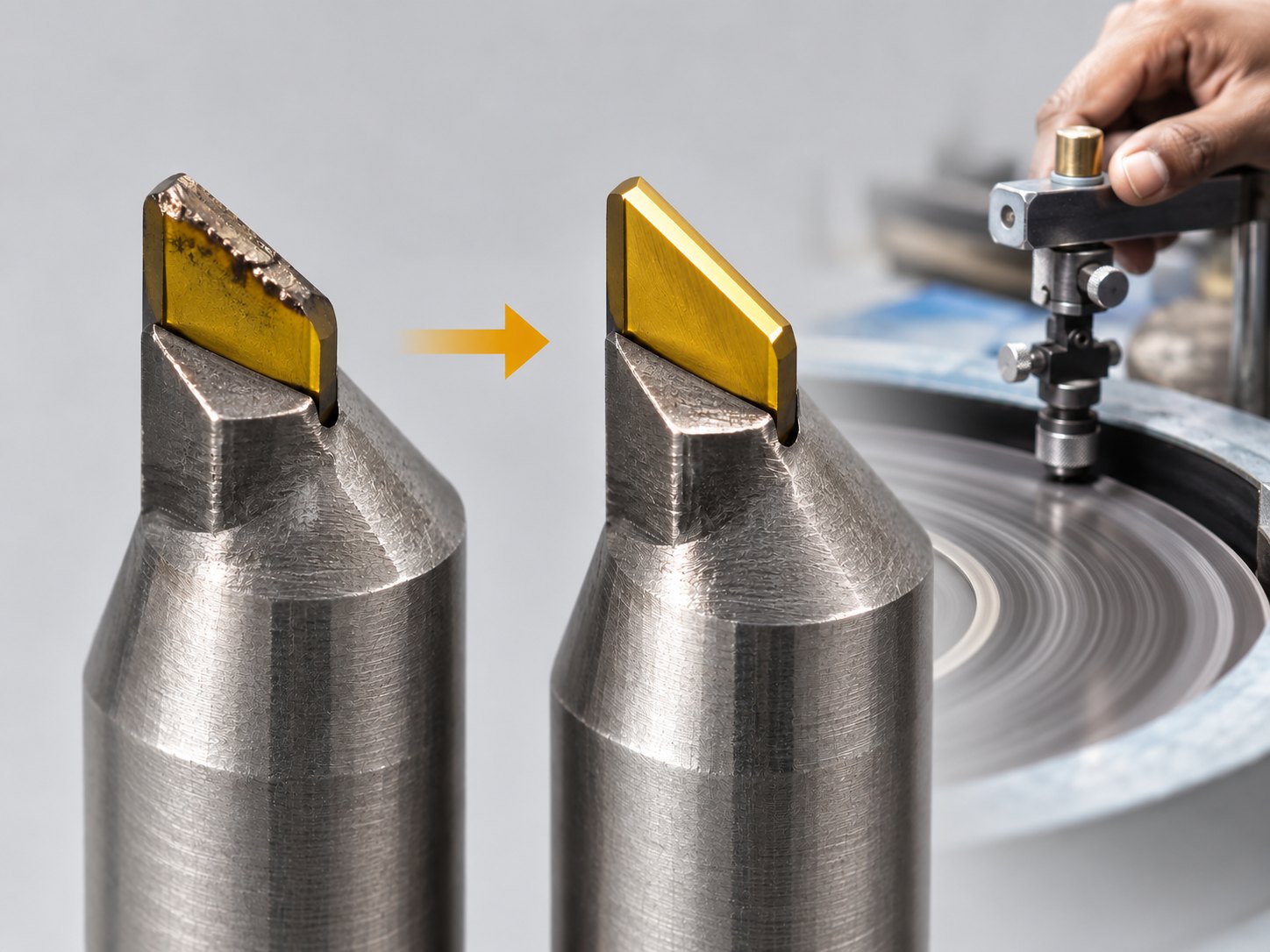
Signs that a tool needs resharpening
A diamond edge rarely fails all at once. It wears slowly, and the first sign is on the parts:
- The mirror turns hazy or dull. The surface still looks bright from a distance, but no longer reflects sharply.
- Fine lines appear on every part, in the same place. That is usually a small chip in the edge.
- Burrs form on edges that used to come out clean.
- On acrylic, the clear edge becomes slightly milky or shows lines along its length.
- On optics, the measured form drifts, or the surface scatters more light.
Before blaming the tool, check what else changed: a new batch of material, a worn spindle, a loose clamp or dirty coolant can cause the same symptoms. If nothing else changed, it is the edge.
Do not wait too long
A slightly worn edge is easy to relap. A tool that keeps running after it starts to chip can lose much more diamond, or crack, and then fewer resharpenings are left, or none. Changing the tool when the first signs appear usually costs less in the end, and it saves the parts that would have been scrapped.
What happens during resharpening
- Inspection. The edge is examined under a microscope to see how it wore: even wear, small chips, or a crack.
- Quote and approval. You hear what the tool needs and what it costs before any work is done.
- Relapping. The diamond is polished on a lapping wheel until the worn or chipped zone is gone and the edge is sharp again. The original radius, angle and edge shape are restored.
- Final inspection. The new edge is checked again, and the tool goes back with an inspection note.
How many times, and at what cost
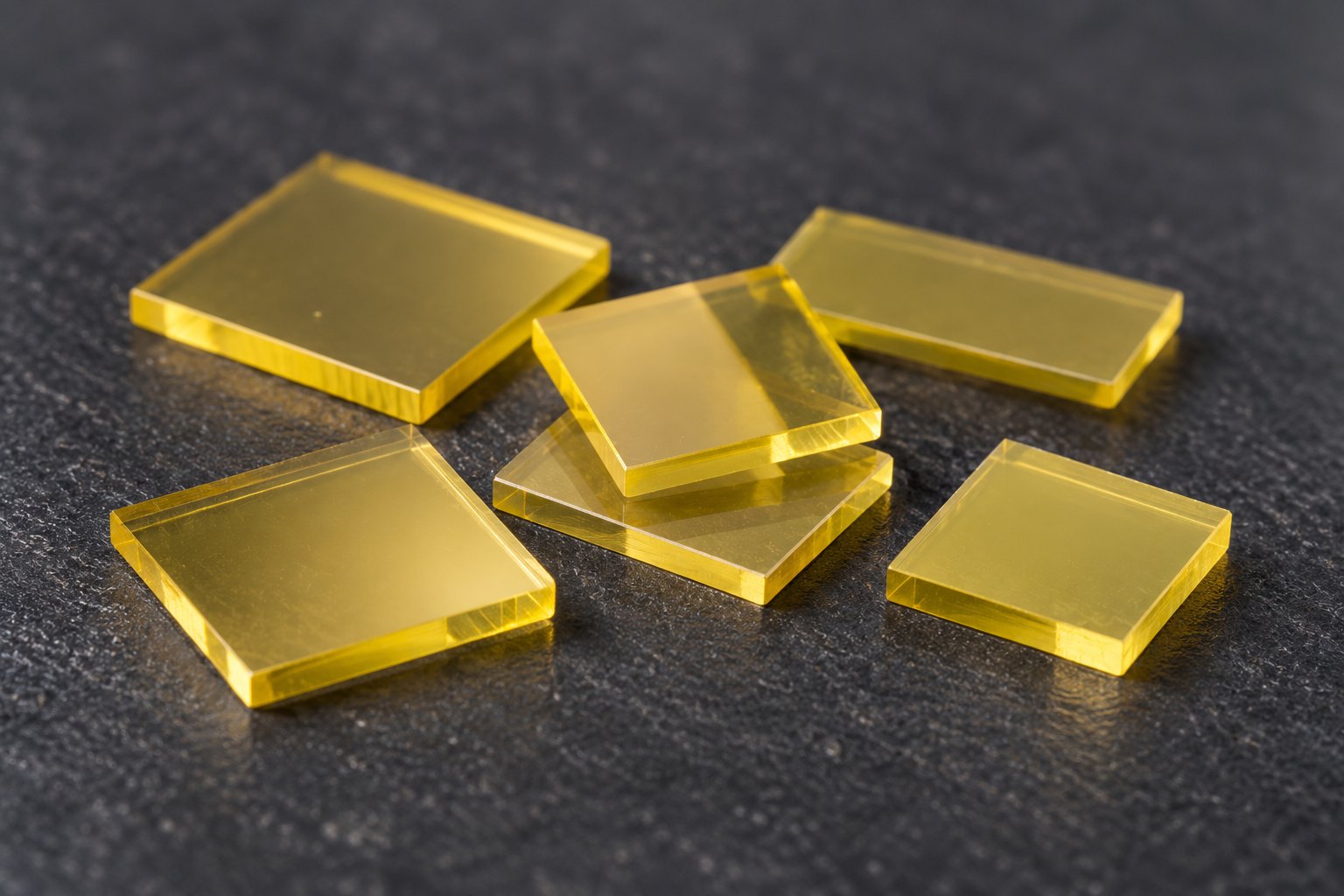
Each relapping removes a little diamond, so a tool can be resharpened several times, not forever. The exact number depends on the size of the stone, the shape of the edge, and how badly it was worn. A small chip costs much less diamond than a large one.
The cost is typically about 5% to 20% of the price of a new tool, depending on the tool and the size of the diamond. For almost every single crystal tool, resharpening is worth it. A diamond that is cracked or too small to relap can often be replaced with a new diamond on the same shank.
How to make each edge last longer
- Use diamond only for the finishing cut. Let carbide or PCD do the roughing, and leave a small, even allowance for the diamond.
- Avoid impact. Do not let the tool hit the part at rapid feed, and avoid heavy interrupted cuts. Single crystal diamond is hard, but brittle.
- Keep the setup rigid. Short overhang, a well-clamped part and a spindle with low runout reduce vibration, the main cause of chipping.
- Keep the work clean. Sand, blasting grit and swarf on the part are abrasive. Filter the coolant.
- Store and handle the tool carefully. Keep the edge protected, never let it touch other tools, and do not clean it with anything abrasive.
- Use the right material. Steel, titanium and high-silicon alloys wear single crystal diamond fast. See which materials can be cut with diamond.
What Bulunmaz does
Bulunmaz resharpens single crystal diamond tools in its own workshop: natural diamond, MCD and CVD, including tools from other makers. The first evaluation is free, you approve the work and price before we start, the work takes about 3 working days on average plus shipping, and every tool comes back with an inspection note. We do not resharpen PCD, carbide or abrasive tools. See our resharpening service.
FAQ
- How do I know my diamond tool needs resharpening?
- The surface it cuts changes: the mirror becomes hazy or dull, fine lines appear on every part, burrs form on edges, or on acrylic the clear edge turns slightly milky. When the machine and setup have not changed, the edge is the likely cause.
- How many times can a diamond tool be resharpened?
- Several times. Each relapping removes a little diamond, so the number depends on the size of the stone and on how the edge wore. We give the number after inspecting the tool.
- What does resharpening cost?
- Typically about 5% to 20% of the price of a new tool, depending on the tool and the size of the diamond. The first evaluation is free.
- Can a chipped diamond tool be saved?
- Small chips can usually be lapped out. A cracked or broken diamond cannot be relapped, but it can often be replaced with a new diamond on the same shank, which is cheaper than a new tool.
- Do you resharpen tools from other makers?
- Yes, any single crystal diamond tool: natural diamond, MCD or CVD. We do not resharpen PCD, carbide or abrasive tools.
- How long does resharpening take?
- About 3 working days on average in our workshop, plus shipping both ways.
Running a machine and need the tool for it? Send us the material, a drawing or photo and the finish you need.
Request a quoteArticles for acrylic workshops
All articlesRequest a quote
Tell us about your part
Send the material, the sheet thickness, your machine model and a drawing or photo. We'll suggest the right tool and send you a quote.
- Email: hello@bulunmaztools.com
- WhatsApp: +90 532 561 99 62